
Blog
The Timeless Appeal of Hawaiian Shirts: History, Style, and How to Wear Them

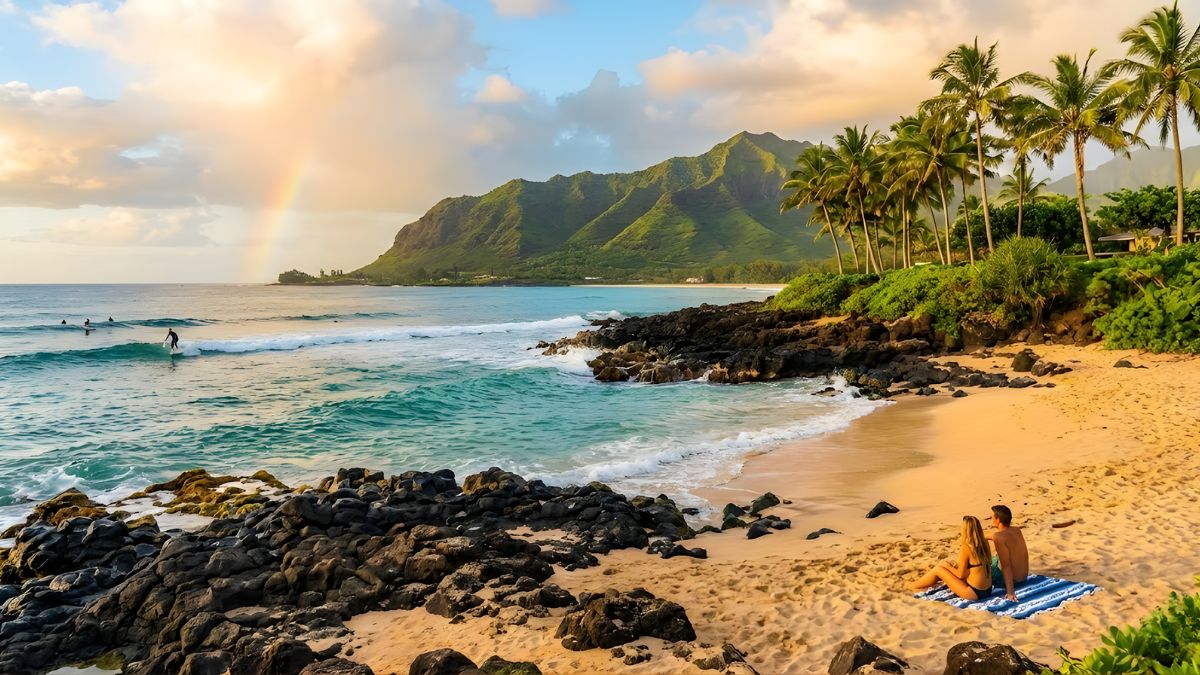
Few garments capture the spirit of leisure and escape quite like the Hawaiian shirt, also known as the Aloha shirt. Instantly recognizable for its bold colors, floral motifs, and relaxed silhouette, this iconic piece has traveled a long way—from local Hawaiian roots to global fashion staple. Understanding its history and proper styling can help you wear it with confidence rather than irony.
The Origins of the Hawaiian Shirt
The Hawaiian shirt emerged in the early 20th century in Hawaii, shaped by the islands’ unique cultural blend. One of the most influential factors behind its distinctive look was Japanese American craftsmanship. Early Aloha shirts were often made using leftover kimono fabrics, which introduced vibrant colors and intricate floral or scenic patterns. This fusion of local island culture and Japanese textile traditions laid the foundation for what would become a globally recognized garment.
Popularity in the 1920s and 1930s
During the 1920s and 1930s, Hawaiian shirts gained traction in mainland America. At the time, Hawaii was viewed as an exotic and luxurious destination. Wearing a Hawaiian shirt symbolized wealth, leisure, and the ability to travel—especially significant during the Great Depression, when most people could not afford vacations.
Interestingly, despite their bright colors and floral patterns—elements traditionally associated with feminine clothing at the time—Hawaiian shirts became widely accepted and embraced by men. They represented freedom, escapism, and a carefree lifestyle.
Post-War Boom and the Elvis Effect
After World War II, Hawaiian shirts became firmly embedded in popular culture. Returning soldiers brought them home as souvenirs, accelerating their mainstream appeal. By the 1960s, the Aloha shirt was no longer niche—it was iconic.
A defining moment came when Elvis Presley wore a striking red Hawaiian shirt in the film Blue Hawaii. This appearance cemented the shirt’s association with vacation culture and introduced it to a global audience, solidifying its place in fashion history.
Why Hawaiian Shirts Feel Relevant Again
In recent years, Hawaiian shirts have experienced a renaissance. Their original rise during the Great Depression mirrors modern times, when travel can be financially or logistically difficult. The shirt once again represents aspiration, relaxation, and mental escape—even if the beach is only imagined.
Revisiting the Hawaiian shirt today is not about novelty but about embracing its original meaning: comfort, optimism, and laid-back confidence.
What Makes a Good Hawaiian Shirt?
Not all Hawaiian shirts are created equal. Several key details define an authentic and flattering Aloha shirt.
Measurements and Proportions
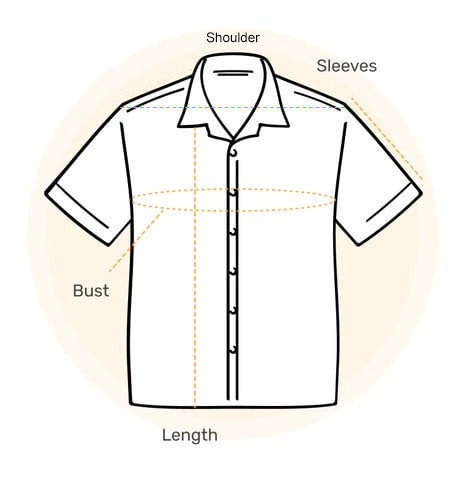
A classic Hawaiian shirt should be wide across the chest—around 25 inches—and relatively short in length, typically 27 to 28 inches. Ideally, it should be almost as wide as it is long.
Fit
The fit should be boxy and relaxed. Hawaiian shirts are not meant to be slim or tucked in. The straight, loose silhouette is central to their identity.
Material
Breathable fabrics are essential. Poly blends can be surprisingly comfortable and lightweight, while linen offers excellent airflow but wrinkles easily. The priority should always be comfort in warm weather.
Hawaiian Shirts vs. Camp Collar Shirts
Hawaiian shirts are often confused with camp collar shirts, but the two are not identical. While many Hawaiian shirts feature camp collars, camp collar shirts have a different origin. They trace back to South America—particularly Cuba—and were designed to symbolize leisure without the bold, Japanese-inspired floral prints.
Once these styles reached mainland America, the aesthetics began to merge. As a result, many modern designs blur the lines between Hawaiian and camp collar shirts.
How to Style a Hawaiian Shirt
Styling a Hawaiian shirt is less about strict rules and more about attitude. The key is relaxed confidence—an effortless energy that suggests leisure rather than performance.
If your shirt features loud patterns or bright colors, pair it with muted bottoms such as neutral shorts or trousers. Let the shirt be the focal point, and avoid competing elements elsewhere in the outfit.
Final Thoughts
The Hawaiian shirt is far more than a novelty item. Its rich history, cultural influences, and enduring appeal make it one of the most meaningful casual garments in menswear. When chosen thoughtfully and worn with ease, it becomes a symbol of optimism, comfort, and timeless style—no plane ticket required.